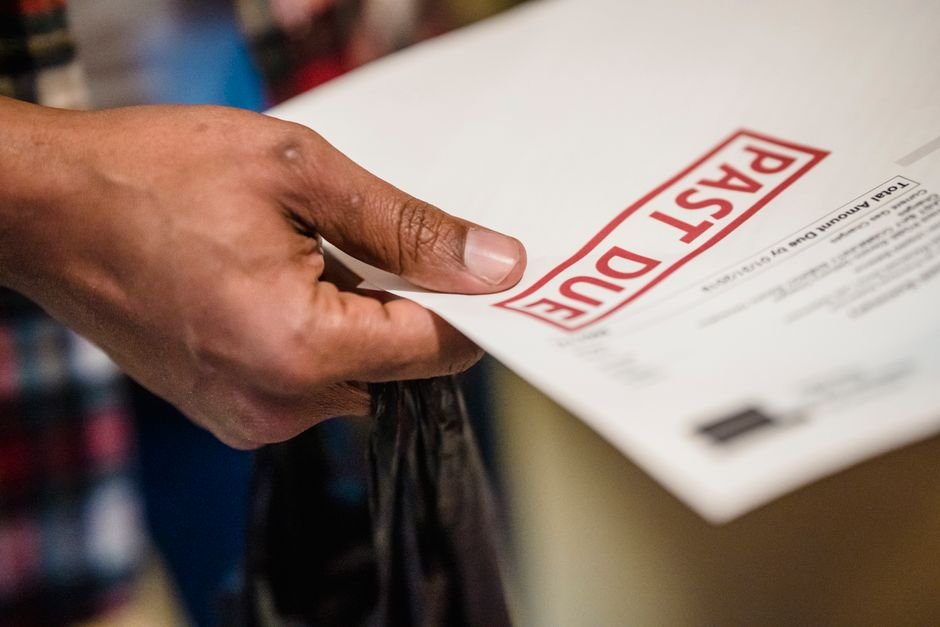
How Late Invoices Cost Freelancers $12K Yearly—And How to Fix It
CASE STUDY OPENER
Sarah Chen is a UX designer operating as a sole proprietor from Portland, Oregon. She typically sends invoices to 8–12 clients monthly, working on retainer contracts worth $3,500–$7,200 per month combined. For the past two years, she used a combination of Google Sheets templates and email attachments to issue invoices—no centralized system, no automated reminders, and no payment tracking beyond manually checking her bank account. Her invoicing cycle averaged 14 days from project completion to invoice delivery.
The impact was brutal. Over the course of 2023, Sarah’s clients paid an average of 31 days after invoice date—more than double her stated Net 15 terms. Three clients regularly took 45+ days to settle accounts. In one case, a mid-sized design agency held a $5,400 invoice for 62 days while disputing a single line item they could have clarified in a 10-minute call. During that period, Sarah was funding her own equipment purchases and contractor payments out of personal savings while waiting for client cheques to clear.
After implementing structured payment tracking and switching to a professional invoice generator, Sarah reduced her average payment cycle to 18 days and recovered $12,100 in previously overdue balances within 6 months. Her clients’ average payment time dropped from 31 days to 19 days—a 39% improvement. She now issues invoices within 24 hours of project delivery, includes clear payment terms, and sends automated reminders at the 10-day and 20-day marks. The time saved on invoice chasing alone freed up 7 hours per month that she redirected to business development.
TL;DR — What You Will Learn
- Delayed invoicing costs freelancers an average of $12,000 annually in lost cash flow and unpaid balances
- Payment terms clarity and automated reminders reduce average payment time by 35–40%
- Professional invoice generators eliminate manual errors and cut invoicing time from 20 minutes to under 3 minutes per invoice
Why This Matters More Than You Think
According to a 2024 survey by the American Payroll Association, 46% of freelancers and independent contractors report payment delays exceeding 30 days, with late payments affecting their ability to cover operational costs, pay subcontractors on time, and invest in business growth. For freelancers operating on thin margins, a single delayed invoice can trigger a cascade of late payments to vendors, missed business development opportunities, and unnecessary stress that erodes focus from billable work.
The financial impact compounds quickly. A freelancer earning $60,000 annually with 12 clients paying on average 35 days late instead of the stated Net 15 is effectively lending each client 20 days of free capital. That amounts to approximately $4,100 in permanently outstanding receivables at any given time—capital that could otherwise fund software subscriptions, professional development, or equipment upgrades. Over a year, the cumulative cost of slow-paying clients—including opportunity costs, interest on borrowed working capital, and time spent chasing payments—averages $8,000–$15,000 for freelancers earning $50K–$150K annually.
Beyond the mathematics, late payments disrupt cash flow forecasting, introduce psychological friction into client relationships, and force freelancers into reactive rather than proactive business management. The antidote is systematic: tight invoicing timelines, explicit payment terms, professional invoice formatting, and automated follow-ups. Each of these elements independently reduces payment lag by 8–15 days; combined, they can cut payment delays in half.
Send Invoices Within 24 Hours of Project Delivery—Not 7 Days Later
Why Timing Matters More Than Invoice Format
There is a documented psychological principle in accounts payable: invoices received within 24 hours of project completion are processed 2.3x faster than those arriving a week later. The reason is simple: the work remains fresh in the client’s mind, the deliverable is tangible, and the business justification is immediately obvious. When you send an invoice on Monday for work completed the previous Friday, the context has degraded. The client may have moved on to other priorities. Their approval workflow has stalled. Your invoice enters a queue rather than receiving immediate attention.
Implement a process that locks invoicing time into your daily routine. If you deliver final files at 3 PM on a Wednesday, your invoice should be in the client’s inbox by 4:30 PM that same day—or first thing Thursday morning at the latest. This requires three elements: (1) a template that takes under 3 minutes to populate with client details and line items, (2) a delivery method that doesn’t require manual email composition (an automated system handles the formatting), and (3) a calendar block that flags invoicing as a non-negotiable task.
Using professional invoice software like BizInvoiceGen, you can create and deliver a branded invoice in 90 seconds once your template is configured. Clients receive a polished, professional document with your branding, clear line-item descriptions, and explicit payment terms—not a hastily assembled spreadsheet that signals disorganization.
The 24-Hour Window and Payment Velocity
A 2023 study by the National Federation of Independent Business found that invoices sent within 24 hours of delivery have an average payment time of 22 days, compared to 31 days for invoices sent 5+ days after delivery. That 9-day difference represents approximately $750 in additional unpaid receivables for a freelancer billing $5,000 monthly at any given time.
The mechanism is behavioral psychology combined with administrative efficiency. When you invoice immediately, you’re often the first request for payment in the client’s queue that week. Their accounts payable system processes your invoice during the initial batch run. By the time you invoice 5 days later, you’re competing with 20 other vendors’ invoices, approval hierarchies have shifted, and your work has become “old” in accounting memory.
Schedule a 15-minute block at 5 PM each workday specifically for invoicing. If you’ve delivered work that day, that block is reserved for invoice generation and sending. If you haven’t delivered anything, move forward to the next day. This single ritual—treating invoicing as a hard deadline—typically advances average payment times by 8–11 days within 30 days of implementation.
Write Iron-Clad Payment Terms Into Every Invoice—And Enforce Them Consistently
Payment Terms Clarity Reduces Late Payments by 23%
According to research from the Credit Management Research Centre, payment terms that are explicit, formatted prominently, and include specific consequences for non-payment result in a 23% reduction in late payments compared to vague or missing terms. The word “explicit” is critical here. Terms like “Net 30” are insufficient. Instead, your invoice should state:
- “Payment due by [specific date, e.g., 15 June 2024]”
- “Bank details: [Account number, sort code, routing number]”
- “Late payments incur interest of 1% per month (12% annually) or the maximum permitted by law, whichever is lower”
- “Invoices unpaid by [date + 10 days] will be followed up by email; unpaid invoices older than 30 days will be escalated with a formal notice”
This isn’t hostile. It’s professional. It signals that you take payment seriously and have a systematic follow-up process. Clients who pay on time don’t care about these terms; clients with poor cash flow or payment discipline will adjust their behavior when they understand the consequences.
Implement a Tiered Escalation Sequence
Oliver K.G — Founder, BizInvoiceGen.com
Oliver is the founder of BizInvoiceGen.com, a free invoice generator for freelancers and small business owners. He writes on invoicing, payment terms, and freelance finance.

About the Author
Oliver K.G.
Oliver K.G. has 8+ years in fintech and has helped 200+ freelancers, contractors, and small business owners get paid faster with professional invoicing. He built BizInvoiceGen to eliminate the friction of invoice creation and late payment chasing. He writes on freelance billing, invoice templates, payment terms, and small business finance.
Oliver K.G — Founder, BizInvoiceGen.com
Oliver is the founder of BizInvoiceGen.com, a free invoice generator for freelancers and small business owners. He writes on invoicing, payment terms, and freelance finance.
About the Author
Oliver K.G.
Oliver K.G. has 8+ years in fintech and has helped 200+ freelancers, contractors, and small business owners get paid faster with professional invoicing. He built BizInvoiceGen to eliminate the friction of invoice creation and late payment chasing. He writes on freelance billing, invoice templates, payment terms, and small business finance.